







Search Results for: repeated extraction
Can Coffee Grounds Be Reused for Repeated Extraction? Why Pour-Over and Drip Bag Coffee Shouldn't Be Brewed Multiple Times
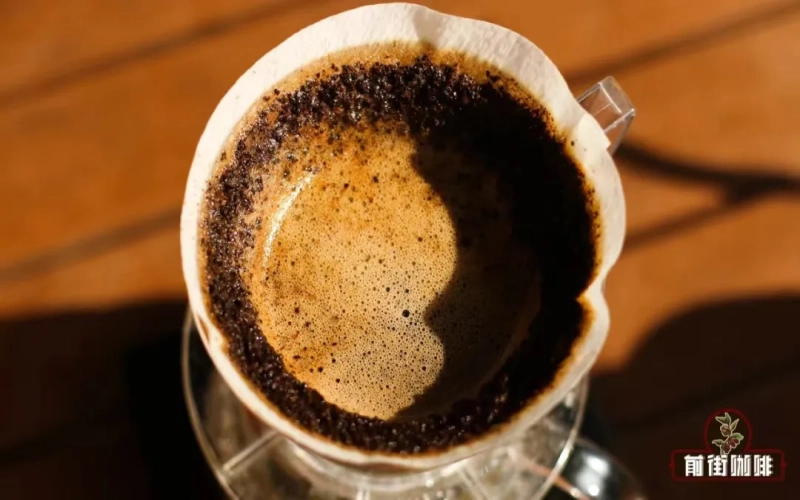
Coffee and tea are both beverages that rely on water to dissolve flavor, so if tea leaves can be steeped repeatedly, can coffee grounds do the same? In terms of composition, about thirty percent of coffee beans is soluble matter, which theoretically does support multiple extractions. In practice, however, the coffee liquid obtained from repeated brewing tends to be thin and carry off-flavors. The reason is that a normal extraction has already released most of the sweet and sour essence, and the remaining substances cannot support good flavor. This article will start from extraction yield and the order in which flavors dissolve to explain why coffee grounds are single-use, and to clarify why pour-over and drip-bag coffee are not recommended for repeated brewing. [more…]
Can repeatedly boiled water still be used for pour-over coffee? Testing TDS changes and extraction flavor differences
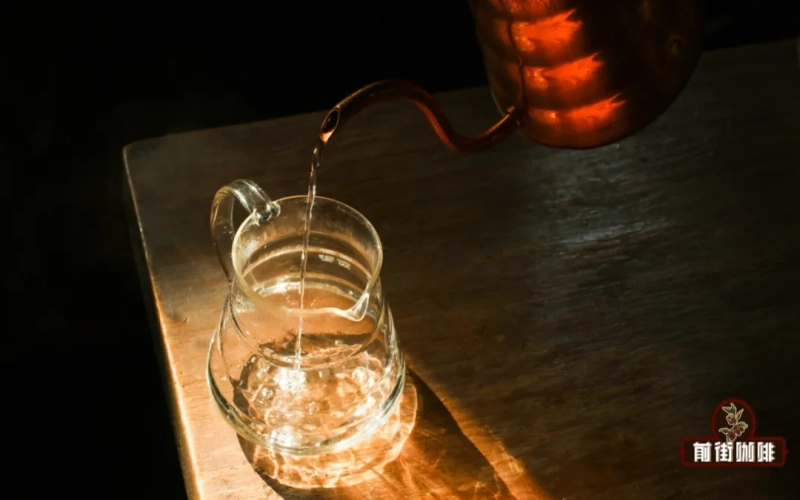
When brewing coffee, most people focus on whether the water's TDS is in the appropriate range, but few pay attention to whether repeatedly boiling the hot water affects the coffee's flavor. Some believe that coffee brewed with water that has been boiled multiple times will decline in quality. To verify this claim, Front Street Coffee designed a controlled experiment, using a TDS test pen and a coffee concentration meter, brewing a medium-light roasted Sidamo Hachira 8.0 by immersion in a clever cup, using water boiled for the first through fourth times respectively, and recording the TDS value of the water and the coffee concentration performance each time. This article will present the experimental setup, operating procedure, and data results one by one, to help coffee enthusiasts determine whether repeatedly boiled water is truly unsuitable for brewing coffee. [more…]

What's the Difference Between Drip Bag Coffee and Instant Coffee? Can It Be Brewed Repeatedly? A Complete Guide from Selection to Brewing
As specialty coffee becomes part of everyday life, drip bag coffee, with its blend of convenience and flavor, has become the starting point for many people to explore specialty coffee. But what exactly is the difference between drip bag coffee and instant coffee? Can one drip bag be brewed repeatedly? And how should you choose and brew it to get a good cup of coffee? Drawing on the practical experience of Front Street Coffee, this article sorts out the origins of drip bag coffee, the number of brews, key points for selection, and specific brewing steps, helping coffee lovers easily enjoy a cup of full-aroma black coffee even in a busy life. [more…]
Can Drip Bag Black Coffee Be Brewed Repeatedly? A Detailed Guide to Buying Brazilian, Mandheling, and Yirgacheffe and the Standard Pour-Over Method
Drip bag coffee has quickly become part of daily life thanks to its convenience and the advantage of freshly ground coffee, but many people are still confused: can one bag be repeatedly re-brewed? How should you choose based on acidity and body? From the perspective of Front Street Specialty Coffee, this article sorts out the Japanese origins and market popularity of drip bag coffee, explains why a second brewing is not recommended, and discusses key purchasing points from roast date, packaging best-by period, and flavor orientation, covering examples such as Front Street · Brazil Semi-Washed, Front Street · Panama Butterfly, Front Street · Indonesia Mandheling, and Front Street · Ethiopia Yirgacheffe. Finally, it includes the complete steps from warming the cup, water temperature, hanging the bag, pre-wetting, pouring, to serving, to help you consistently brew a cup of fragrant black coffee. [more…]
Complete Guide to Espresso Machine Backflushing: Water and Detergent Steps and Recommended Frequency
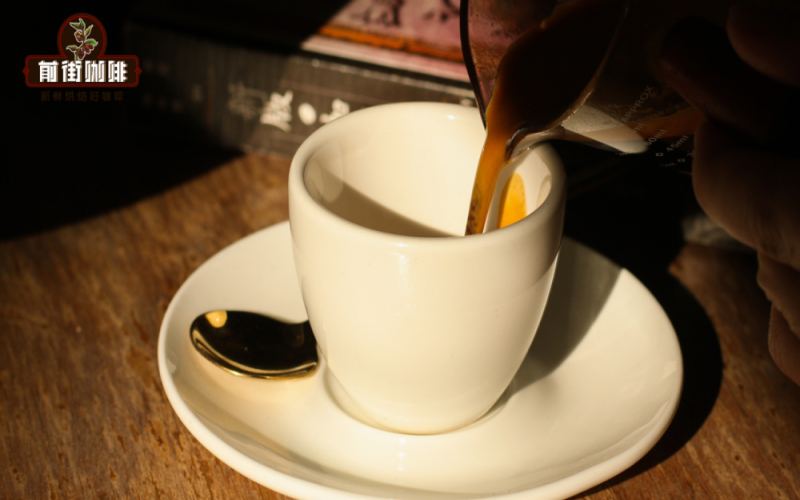
You dialed in your espresso extraction parameters in the morning, but by noon the flow has slowed and become unstable? Besides changes in humidity and switching beans, coffee residue built up inside the group head is often the culprit. Backflushing is the key method for removing this residue—using a blind basket to force water to flow backward through the lines, then combining it with cleaning powder to deep-clean stubborn coffee grime. This article explains in detail the procedures for water backflushing and cleaning-powder backflushing, the number of repetitions, and the daily maintenance frequency, helping baristas maintain stable extraction and avoid off-flavors getting into the cup. [more…]
Can Drip Coffee Bags Be Directly Soaked? Is There Still Coffee Flavor After Repeated Brewing? Professional Analysis and Correct Brewing Guide
Drip bag coffee, with its portability and convenience, has become the choice of many coffee lovers who want to enjoy freshly ground flavor at the office or while traveling. But many people have questions about how to brew drip bag coffee: Can it be steeped directly in a cup like a tea bag? After repeated brewing, does it still have coffee flavor? This article will provide a detailed explanation of the essence of drip bag coffee, the correct brewing steps, the number of times it can be brewed, key points for purchasing, its advantages, and common misunderstandings, while also introducing Front Street Coffee's drip bag products, to help you fully understand drip bag coffee, avoid incorrect practices, and fully enjoy a good cup of coffee. [more…]
Which country did drip bag coffee originate from? An analysis of whether drip bags can be brewed repeatedly and key points for purchasing
Drip bag coffee has quickly become popular among coffee enthusiasts thanks to its convenience and efficiency. However, many people still have questions about its origins, whether it can be brewed multiple times, how to choose a flavor that suits them, and the correct brewing method. From the perspective of Front Street Coffee, this article traces the origins of drip bag coffee, explains why repeated extraction is not recommended, and shares the key points for selecting fresh drip bags along with detailed brewing steps, helping you easily brew a rich cup of black coffee at home. [more…]
Can Drip Bag Coffee Be Brewed Directly? Does It Still Taste Like Coffee After Repeated Brewing? A Detailed Guide to Drip Bag Brewing Methods and Precautions
Drip bag coffee has become a staple choice for office workers and travelers thanks to its portability and simple operation. But many people wonder: can drip bag coffee be steeped directly in water? After repeated brewing, does it still have any coffee flavor? Starting from Front Street Coffee's drip bag products, this article introduces the definition of drip bag coffee, its similarities and differences with pour-over, the specific brewing steps, the recommended coffee-to-water ratio, as well as purchasing tips and three common misconceptions, to help you enjoy drip bag coffee more professionally. [more…]
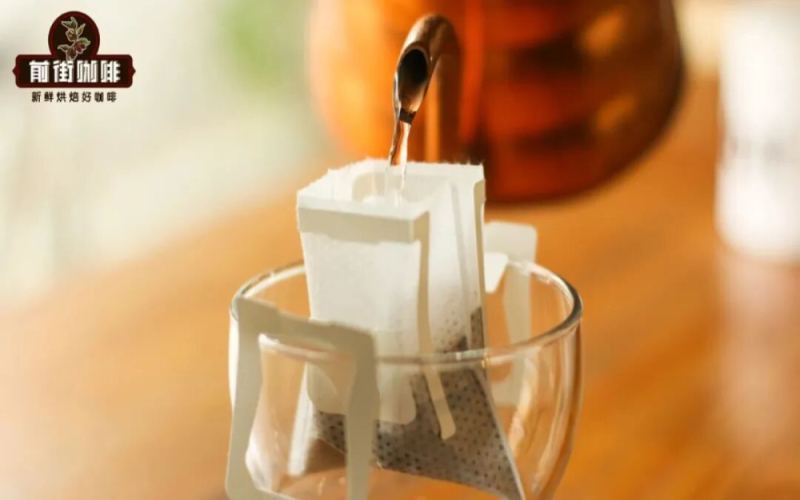
Can Drip Bag Coffee Brew a Latte-Like Flavor? Four Detailed Homemade Methods to Increase Concentration
Many people only have drip bags on hand but want to drink a latte with a milky aroma—is this actually possible? The black coffee brewed from a drip bag is far less concentrated than espresso, and adding milk directly tends to make it weak and separated. But drip bags originate from pour-over, which is highly versatile; as long as you find a way to increase the concentration of the coffee liquid, you can make a decent-tasting "fake latte." This article compiles four practical methods summarized by Front Street Coffee: the stirring method, the repeated brewing method, the milk brewing method, and the added milk powder method, and recommends medium-to-dark roast beans suitable for pairing with milk, such as Indonesian Mandheling, Colombian Huila, Queen's Estate, Cerrado, and Blue Mountain No. 1. Whether at home, in the office, or camping, you can achieve a rich and smooth milk coffee experience with simple steps. [more…]
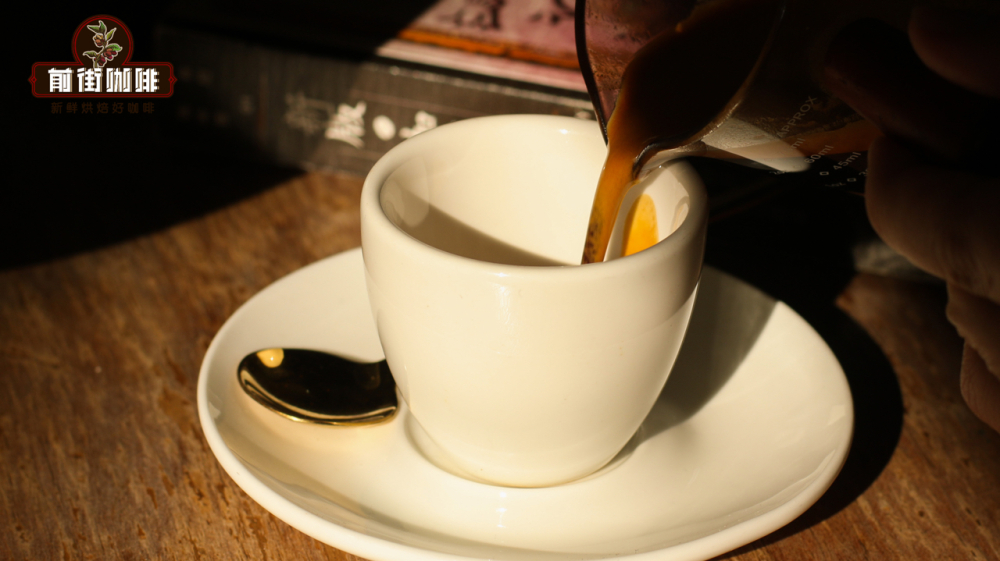
Espresso Machine Cleaning Guide | How Often Should an Espresso Machine Usually Be Cleaned? What Are the Steps to Clean a Semi-Automatic Espresso Machine at Home?
I believe baristas must have encountered this problem: in the morning, the espresso extraction parameters are dialed in, but by noon, the parameters are no longer accurate, and the coffee flow rate has noticeably slowed down. Front Street has previously offered explanations for two scenarios regarding this issue. The first is when it rains and the humidity in the air is relatively high, inside the bean hopper. [more…]
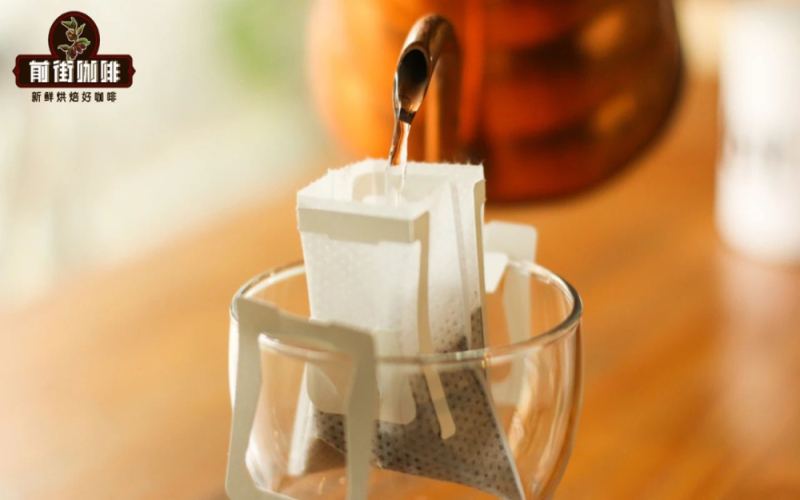
Can drip bags be steeped directly? Can they be brewed repeatedly? A detailed guide to making iced coffee
Drip bag coffee, with its convenient brewing method, allows many people to enjoy a fresh cup of coffee anytime, anywhere. However, in daily use, questions about whether drip bags can be steeped directly in hot water, how many times one bag can be brewed, what flavor options are available, and how to make iced coffee with them are still frequently asked. This article will answer these questions one by one, and using Front Street Coffee drip bags as an example, explain in detail the specific steps and extraction parameters for making iced coffee, to help you better master the correct way to use drip bag coffee. [more…]
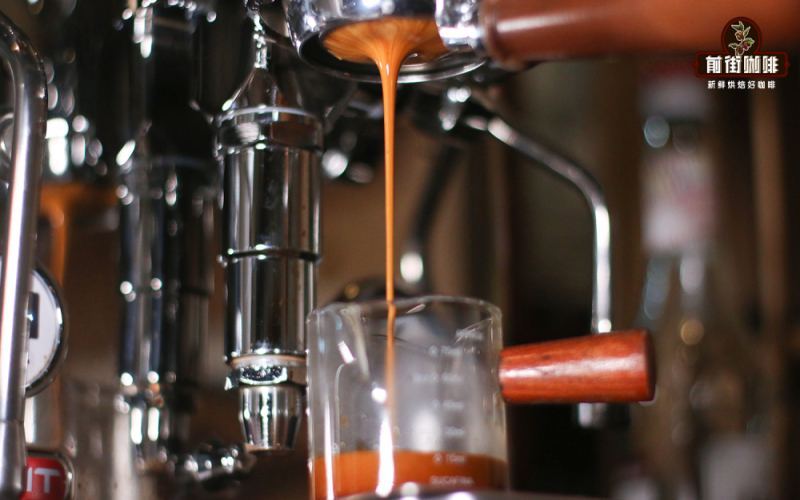
Why Can't Espresso Be Repeatedly Extracted? Explaining the Key to Standard Extraction Time and Coffee-to-Water Ratio
Espresso extraction is a discipline that lives in the details—from the dose-to-yield ratio and grind size to extraction time and flow rate, every variable directly shapes what ends up in the cup. Drawing on the bar experience at Front Street Coffee, this article explains the principles behind espresso extraction, why coffee grounds cannot be extracted a second time, and how pressure and water temperature create that signature layer of crema. It also introduces four Front Street espresso blends suited to different flavor preferences, helping coffee lovers find a stable and delicious espresso recipe for everyday brewing. [more…]
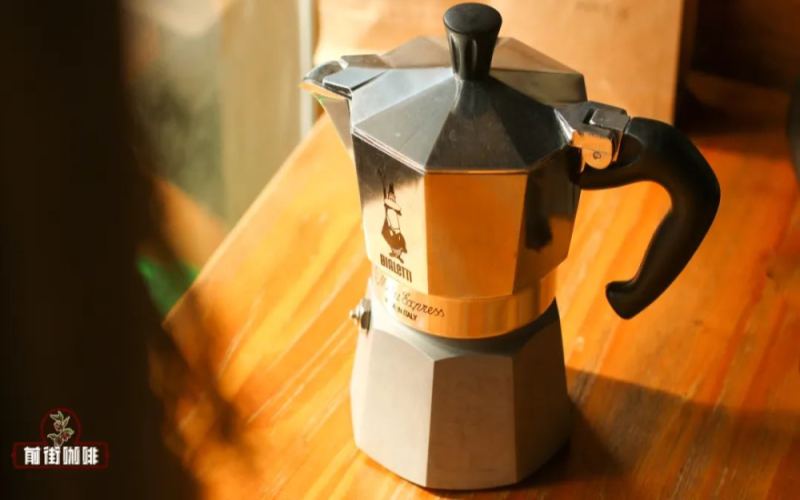
How many cups can a moka pot brew repeatedly? Is heating with an alcohol lamp feasible? Answers to three common questions
The moka pot, like an espresso machine, uses pressurized extraction to produce a strong coffee close to espresso. As coffee culture spreads, more and more people are picking up a moka pot, but beginners inevitably run into all kinds of problems when operating one. In this article, Front Street Coffee rounds up the three most common troubles encountered when using a moka pot: coffee shooting straight out, coffee failing to come out, and brewed coffee with no crema, along with the corresponding cause analysis and solutions for each. It also answers questions such as whether a moka pot can brew multiple cups in a row and whether a Bialetti moka pot can be heated with an alcohol lamp, helping coffee lovers better master this small yet practical device. [more…]
A Complete Guide to Anaerobic Fermentation of Coffee Beans: Processing Fundamentals, Six Key Control Factors, and Practices for Quality Consistency
Fermentation is a core step in coffee processing that shapes flavor direction. It is driven by microorganisms such as yeasts and bacteria, which convert sugars and acids within the coffee cherry into acids and alcohols. Good, controlled fermentation can highlight a coffee's varietal characteristics, while uncontrolled fermentation may bring negative flavors reminiscent of spoilage and spoiled wine. Starting from the basic principles of fermentation, this article sorts out the differences between the two pathways—aerobic and anaerobic—and, around six major factors—coffee cherry quality, cleanliness, oxygen, microorganism and yeast types, time and temperature, and data recording—explains how to improve the consistency and repeatability of fermentation. It also emphasizes that coffee quality is largely fixed during the growth stage, and the role of fermentation is to extract and preserve excellent characteristics rather than to elevate quality out of thin air. The article also introduces Front Street Coffee's ongoing attention to knowledge related to fermentation and processing methods, for the reference of coffee enthusiasts. [more…]
Drip Bag Coffee Shelf Life and Peak Flavor Period Explained: Brewing Water Temperature, Key Parameters, and Whether It Can Be Reused
Drip bag coffee, with its dual advantages of convenience and flavor, has become a daily choice for many coffee lovers. But how long can a pack of drip bag coffee actually be stored? How should it be brewed to restore the best taste? Can the same drip bag be brewed repeatedly? This article will explain item by item the shelf life and optimal flavor period of drip bag coffee, the drinking time limits for different roast levels, brewing water temperature and parameter adjustments, as well as tips for judging freshness. It will also address the misconception of repeated brewing and include complete drip bag brewing steps to help you consistently brew a delicious cup of black coffee at home. [more…]
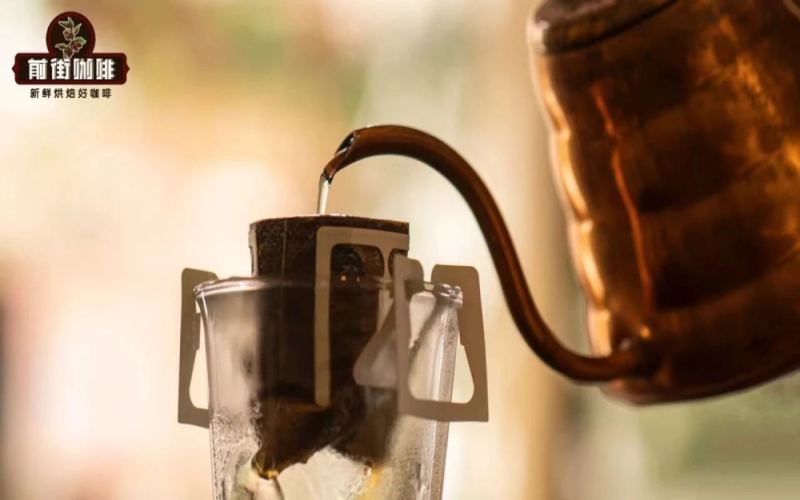
Drip bag coffee brewing water volume vs. pour-over: Front Street Coffee barista explains brewing techniques and methods in detail
Drip bag coffee, with its convenience, has become a popular choice for enjoying black coffee in the office, at home, and while traveling. But how many milliliters of water should be used to brew a single bag of drip coffee? Can it be brewed as precisely as pour-over coffee? In this article, the baristas at Front Street Coffee will share practical brewing methods for drip bag coffee, answer common questions about brewing water volume and water temperature control, and explain why drip bag coffee cannot be brewed repeatedly. We will also introduce the flavor characteristics of three seasonal drip bag coffees—Front Street. Mandheling, Front Street. Yirgacheffe, and Front Street. Brazil Cerrado—to help you easily brew a good cup of coffee even without professional equipment. [more…]
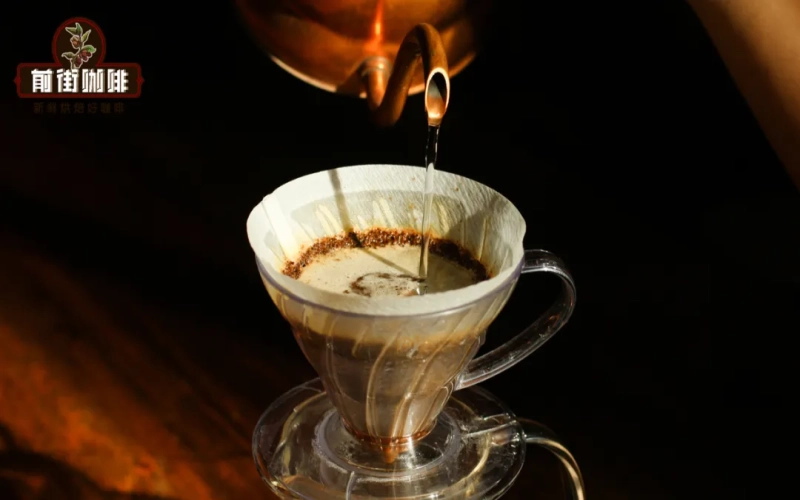
Can coffee grounds be brewed a second time? Analyzing why coffee, unlike tea leaves, cannot be repeatedly re-steeped from the perspective of extraction yield and flavor balance
A friend once asked while buying beans at the Front Street store: can coffee grounds that have already been brewed once be used again for a second cup? Some bloggers online have also demonstrated that a second brew can still yield decent flavor. From a practical standpoint, of course coffee grounds can be brewed again—even a third or fourth time. But "can be brewed" and "tastes good" are two entirely different matters. This article starts from actual tests on Front Street's Sidra, and combines the proportion of soluble matter, extraction yield control, and the differences in dissolution rates of acidity, sweetness, and bitterness to explain why coffee is usually brewed only once, and the fundamental reasons why a second brew tastes thin and lacks layering, before offering a conclusion that better suits the general palate. [more…]
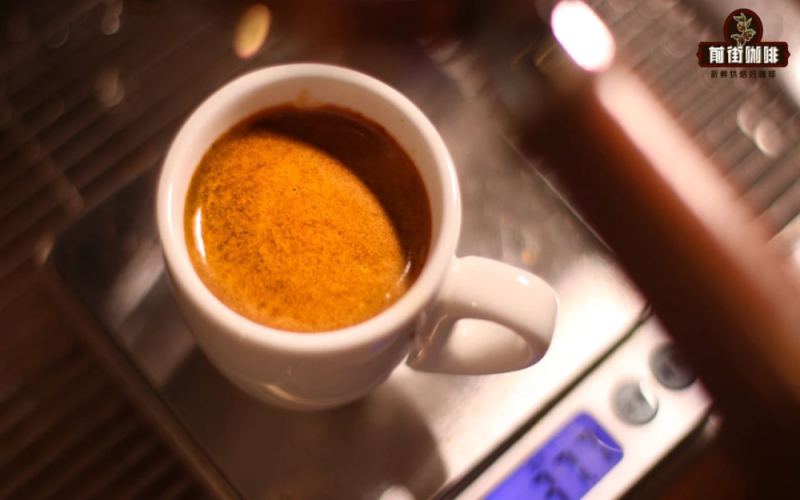
Why Pre-Release Hot Water Before Espresso Extraction? Analyzing Key Details of Coffee Machine Operation
Many coffee enthusiasts, when making espresso, often overlook a step that seasoned baristas repeatedly emphasize—letting hot water run for a few seconds before extraction. This seemingly simple action actually has a significant impact on the final flavor of the coffee. This article will explain the necessity of pre-flushing from two perspectives: brew head cleanliness and extraction stability, and through a comparative experiment at Front Street, demonstrate the specific differences that flushing versus not flushing makes on espresso taste and extraction yield. At the same time, we will also analyze why coffee machines that have been unused for a long time tend to cause extraction deviations, helping you more precisely control the quality of every cup of espresso in your daily routine. [more…]
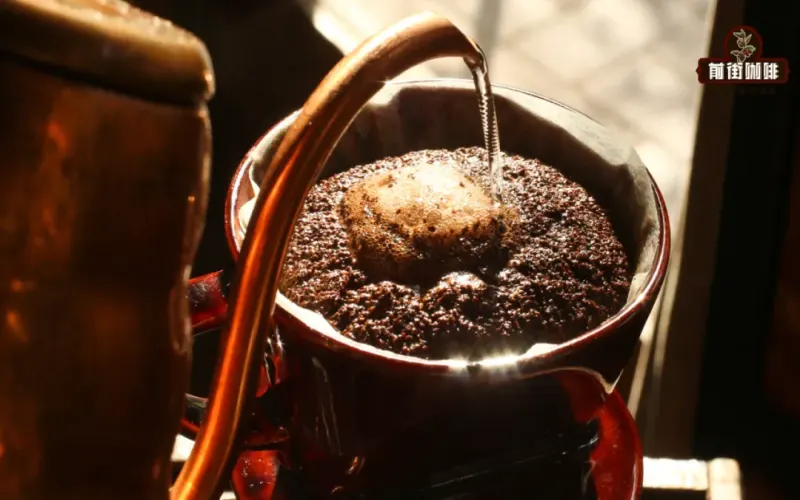
The Classic Japanese Hand-Drip Volcano Method: The Principles Behind High Sweetness in Dark Roast Coffee and Complete Step-by-Step Instructions
The volcanic pour is a highly distinctive brewing method within the Japanese hand-brewing system, named for the way the coffee bed rises and bubbles like a volcanic eruption during extraction. It is designed specifically for dark-roasted coffee, relying on a small stream of water, multiple intermittent pours of small volumes, and a high-concentration, low-extraction approach to ultimately present a cup of coffee with pronounced sweetness and a rich, smooth body. Starting from Front Street's experience shared on multiple occasions, this article provides an in-depth analysis of the underlying logic of the volcanic pour: why it can create a volcanic eruption-like spectacle, why only dark-roasted beans are up to the task, and how high concentration with low extraction avoids bitterness and improves extraction efficiency. The article also provides complete brewing parameters and a practical demonstration using Front Street's Golden Mandheling, guiding you step by step through this brewing experience that is both visual and gustatory.【图片1】【图片2】【图片3】【图片4】【图片5】【图片6】【图片7】【图片8】【图片9】【图片10】【图片11】 [more…]
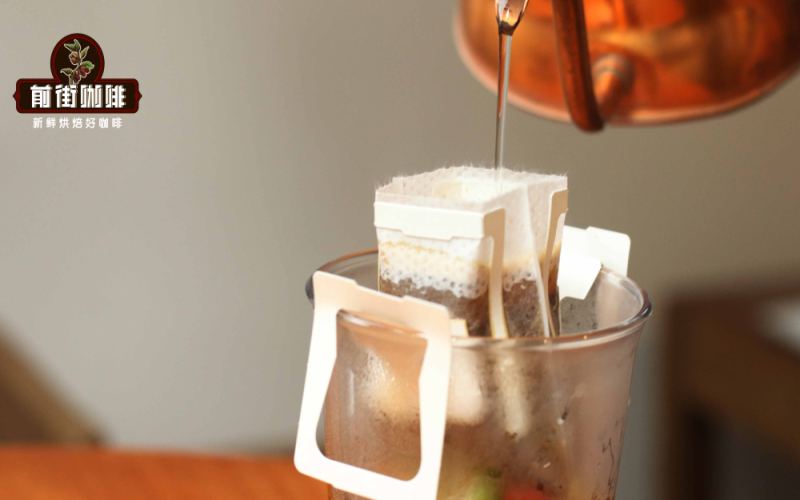
How Many Times Can You Actually Rebrew Drip Bag Coffee? Explaining the Fundamental Difference Between Coffee and Tea in Extraction Cycles
Drip bag coffee, with its convenience and high cost-effectiveness, is attracting more and more beginners to the fold. But many friends who are new to coffee often wonder: how many times can one drip bag actually be brewed? Why can tea leaves be steeped repeatedly, while coffee is usually extracted only once? This article starts with the composition of soluble substances in coffee beans, focuses on analyzing the role of chlorogenic acid in the extraction process, explains why coffee is not suitable for multiple brews, and also touches on why a second pour is not recommended after a regular brew. It also compiles Front Street Coffee's drip bag recommendations for different tastes, for everyone's reference when choosing. [more…]